What is Universal Design for Learning (UDL)? It is a framework for designing teaching and learning experiences that work for the greatest possible range of learners from the outset. Rather than adapting learning after barriers arise, UDL encourages teachers to anticipate learner variability and build flexibility into curriculum, teaching approaches, resources, and assessment.
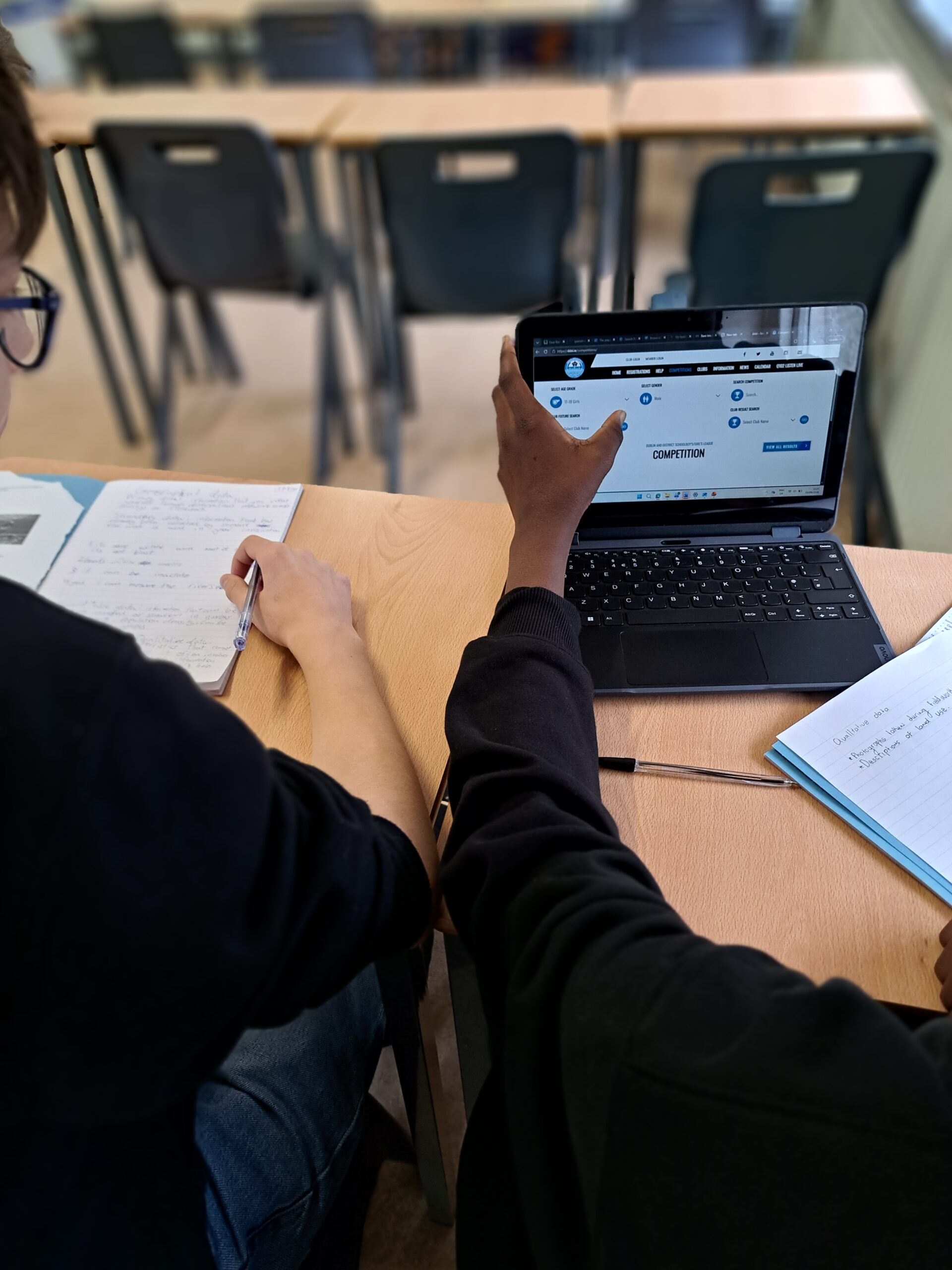
At its heart, UDL is based on a simple belief: learner variability is the norm, not the exception. Every classroom contains learners with different strengths, interests, backgrounds, abilities, languages, and experiences. UDL helps schools create environments where all learners can access, participate in, and succeed in meaningful learning.
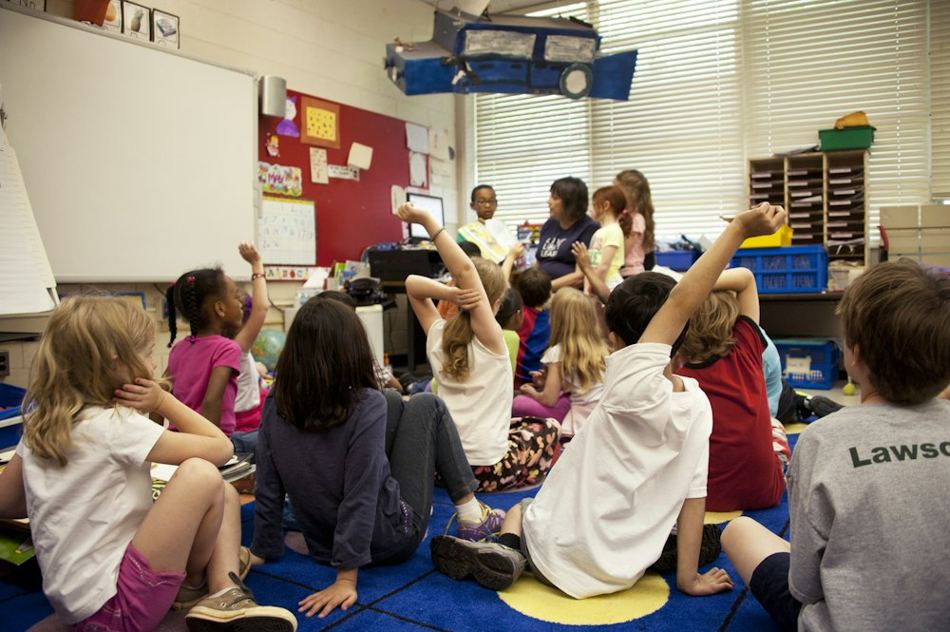
Learner variability is the norm, not the exception.
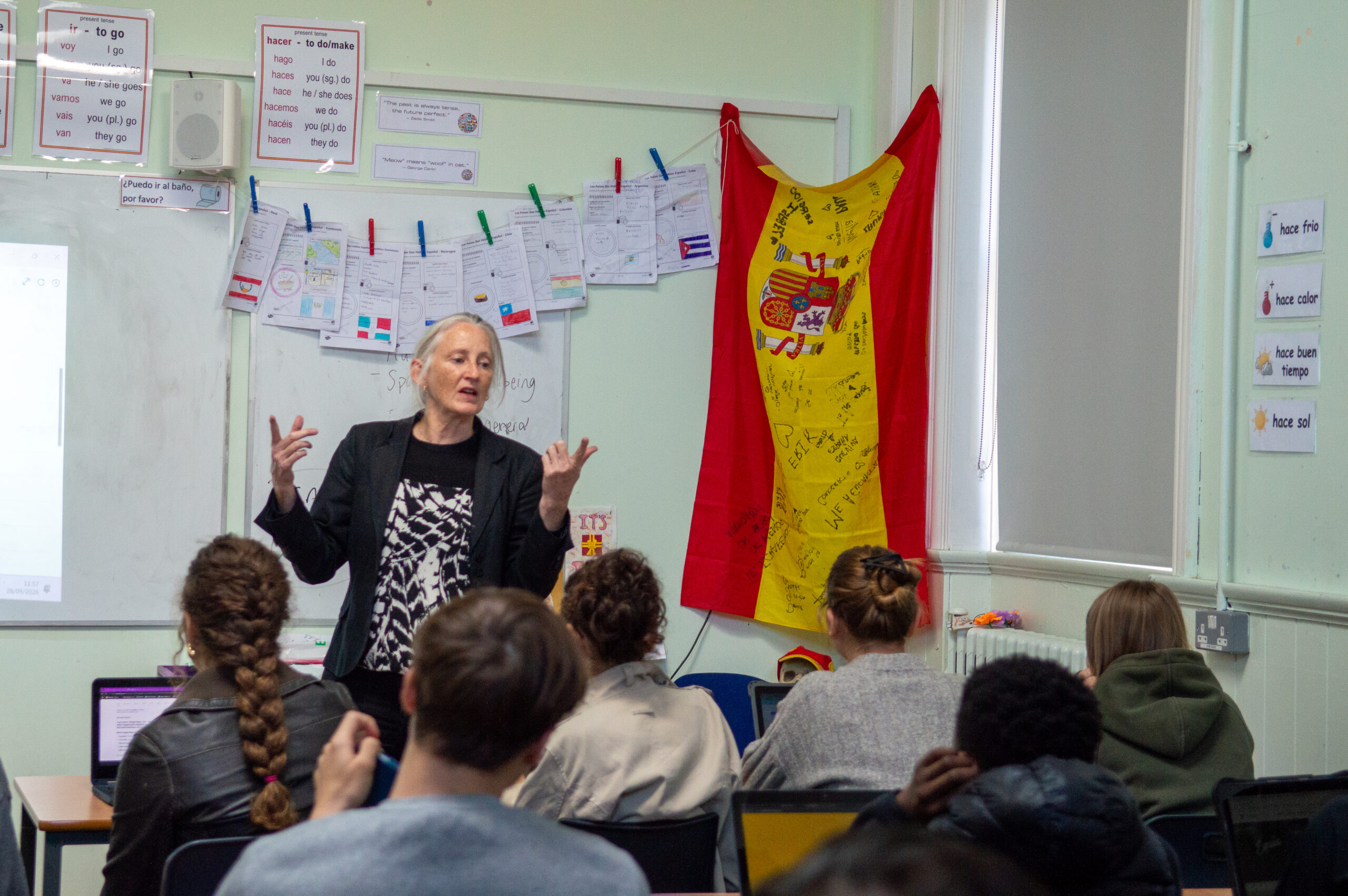
01
Learners differ in what motivates them and how they engage with learning. UDL encourages teachers to provide options that increase interest, relevance, choice, belonging, and self-reflection.
02
Learners differ in how they access and understand information. UDL promotes presenting content in multiple ways so that all learners can access and make meaning from learning.

03
Learners differ in how they demonstrate what they know. UDL encourages flexible ways for students to communicate, create, solve problems, and show their understanding.
These three principles work together to reduce barriers and increase learner agency, independence, and success.
Provide different ways for learners to connect with learning.
Examples:
Choice boards and learning menus
Collaborative learning opportunities
Student goal setting
Real-world and culturally relevant learning tasks
Opportunities for student voice and decision making
Provide information in different formats and through different pathways.
Examples:
Text, audio, video, visuals, and demonstrations
Graphic organisers and visual supports
Captions and transcripts
Explicit vocabulary instruction
Accessible digital resources
Provide flexible ways for learners to show their learning.
Examples:
Written, oral, digital, visual, or practical responses
Presentations, videos, podcasts, or projects
Assistive technology supports
Flexible assessment options
Scaffolded planning and reflection tools
UDL aligns strongly with Irish educational policy and reform priorities. Schools involved in UDL implementation consistently report that it helps them make existing good practice more intentional, inclusive, and sustainable.
The NCSE has identified UDL as a key framework within Ireland's journey towards a more inclusive education system, while curriculum developments increasingly reflect UDL principles of flexibility, accessibility, and learner agency.
Inclusive Education
Student Voice and Agency
Wellbeing
Curriculum Reform
School Self-Evaluation (SSE)
DEIS Planning
Webinar recording: overarching changes and practical applications.
Watch on YouTube ↗The CAST UDL Guidelines website contains a range of high-quality visual resources that can be used for staff meetings, professional learning, classroom planning, and whole-school development.
Schools may also wish to develop local one-page summaries showing:
What UDL looks like in classrooms
UDL and Irish policy connections
UDL planning prompts for teachers
Student voice and learner agency examples
More recommended resource types
UDL Principles Overview, Guideline Checkpoints Posters, Planning Templates, and Learner Variability Resources.
Explore the CAST UDL Guidelines resource website ↗