UDL ConnectED is a collaborative network of Irish schools working together to promote Universal Design for Learning Ireland and make education more inclusive, accessible, and engaging for all students. Bringing together primary, post-primary, and special schools, the project supports inclusive teaching practices and is grounded in a shared belief that every learner deserves the opportunity to participate, succeed, and thrive.
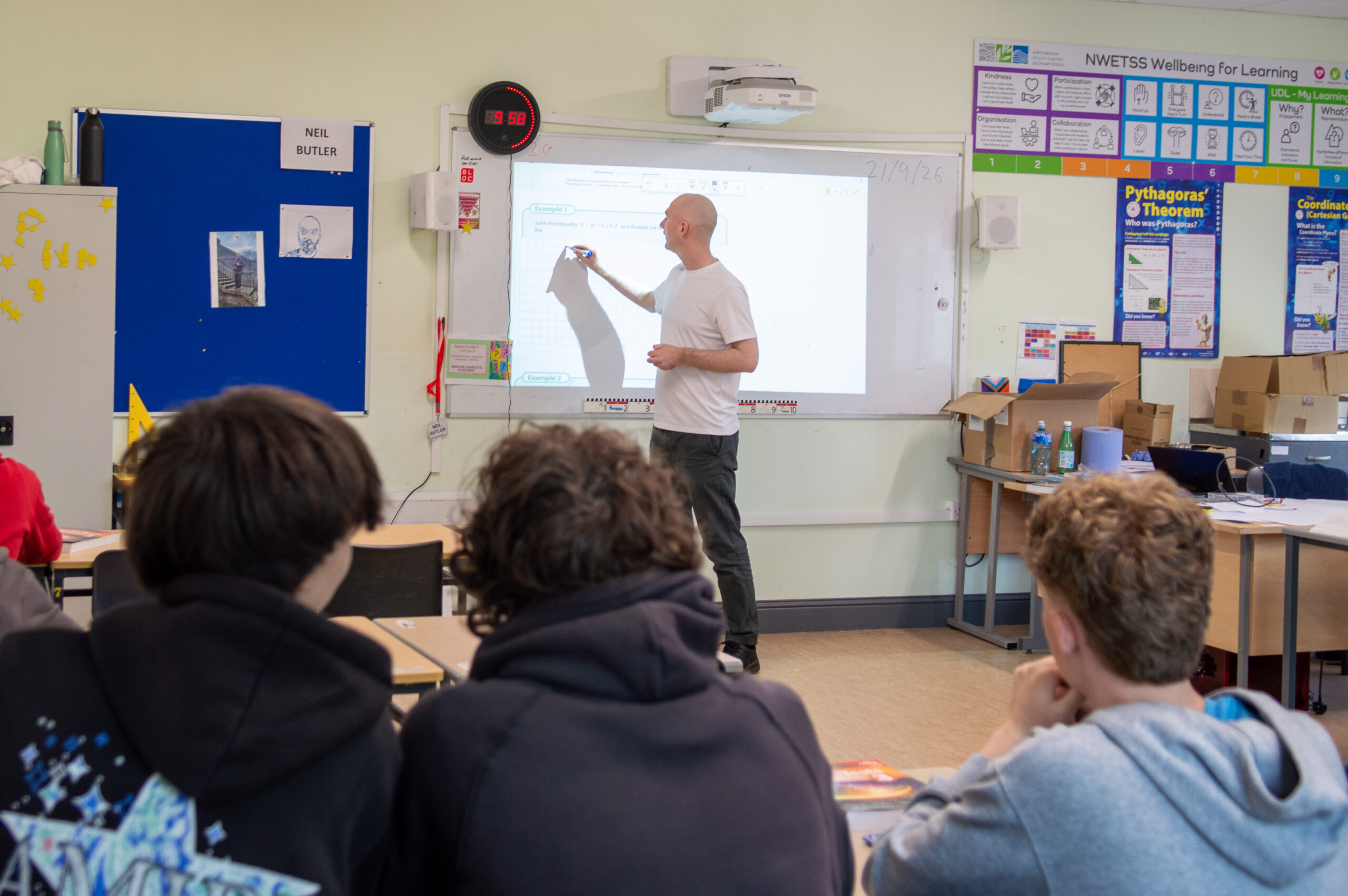
Schools learning from schools.
Teachers supporting teachers.
What began as a journey of professional learning in North Wicklow Educate Together Secondary School has grown into a vibrant cross-sector network of schools across Ireland. Through collaboration, shared leadership, and a commitment to inclusive practice, UDL ConnectED supports schools to learn from one another, build capacity, and create meaningful change for students.
Every classroom includes students with different strengths, interests, backgrounds, experiences, and ways of learning. Rather than designing for an "average" learner, UDL ConnectED supports schools to design learning environments that recognise and respond to this diversity from the outset.
UDL is not a programme, initiative, or additional layer of work. Instead, it provides a practical framework that helps schools strengthen and build on the excellent practice already happening in classrooms every day.
Through UDL, teachers consider:
The goal is to create learning environments where all students have opportunities to access, participate in, and succeed in meaningful learning.
Explore Universal Design for Learning →UDL ConnectED is built on the belief that the most powerful educational change happens when schools learn together. By connecting teachers, school leaders, and communities across sectors, the project creates opportunities to share expertise, reflect on practice, and develop inclusive approaches that work in real classrooms.
Above all, UDL ConnectED is about creating schools where every learner feels they belong, every teacher feels empowered to innovate, and every school community has the opportunity to grow together.
01 Inclusive education for all learners
02 Student voice, choice, and agency
03 Teacher collaboration and professional learning
04 Sustainable leadership within schools
05 Learning environments that reduce barriers and increase participation
The importance of trust
What we learned most clearly was the importance of trust. The project worked because teachers were given space to reflect honestly, share challenges openly and celebrate good practice together, building a genuine sense of community across sectors that schools working in isolation rarely experience.
For us, this reinforced something we believe strongly about educational change: sustainable improvement does not come from isolated initiatives imposed on schools. It comes from collaborative cultures where teachers feel trusted, supported and professionally empowered.
“Reassuring to hear others are facing similar challenges — we’re not alone.”
Modelling mattered too
Modelling mattered too. We wanted teachers to experience UDL, not just hear about it, so our training incorporated active participation, collaboration, reflection, movement breaks, visual supports, digital tools and teacher choice.
“It’s not extra work — it’s reframing what we already do well.”
One of the most rewarding aspects of the project has been watching teacher leadership grow. Three teachers from each school engaged in leadership and facilitation training, building internal capacity so the work could continue sustainably within each school community. Over time we saw participants move from attending training to confidently leading staff workshops and driving innovation in their own schools.
Teachers want opportunities to lead meaningful change, and when they are given time, trust and collaborative support, real innovation happens within schools.
Three teachers from each school engaged in leadership and facilitation training, building internal capacity so the work could continue sustainably within each school community.
The project also reinforced how naturally UDL aligns with priorities already shaping Irish education. DEIS planning, School Self-Evaluation, wellbeing, curriculum reform, student voice and Looking at Our School 2022, helping schools connect these initiatives rather than treat them as separate strands of work. Most importantly, it kept students at the centre of every conversation, with teachers regularly asking who might be excluded by how learning is currently designed, and what barriers stand in the way of full participation.
A major milestone in the project was our UDL ConnectED Showcase, hosted in CBS Enniscorthy, where schools shared their experience of introducing UDL in their own contexts. Across the day, schools from the project presented their work, reflections and learning with honesty about both successes and challenges.
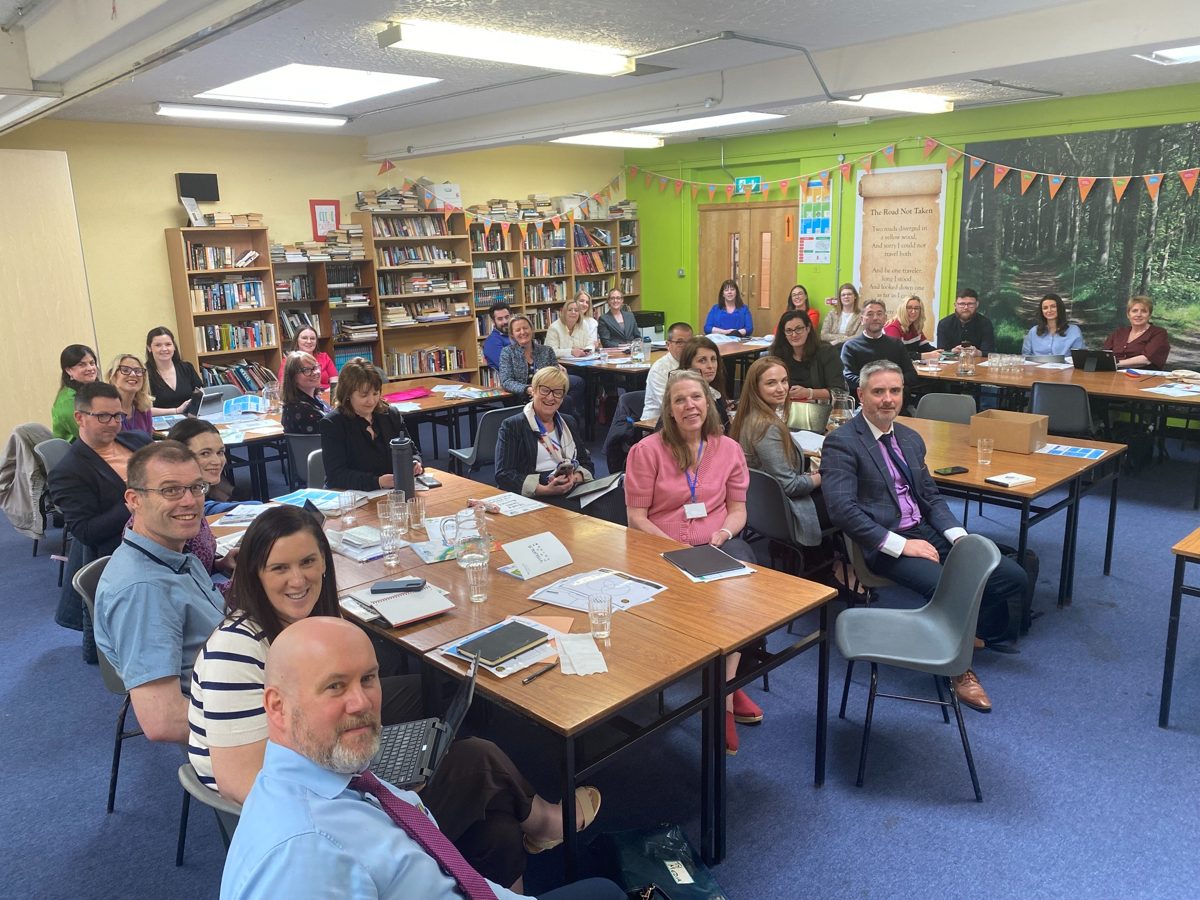
Schools sharing their experience, reflections and learning.
St Mary’s CBS Enniscorthy
Presentation College Carlow
Bridgetown College
Glenart College
Selskar College
Gorey Educate Together Secondary School
Catherine McAuley Junior School New Ross
St Mary’s Secondary School New Ross
Ballycanew National School
Marshalstown National School
North Wicklow ETSS
St. Aidan’s P.S.
Our Lady of Fatima Special School
The positive response from guests representing the NAPD, NCSE, Teaching Council, JMB, SETU, Educate Together and other organisations reinforced our belief that there is significant interest in school-led approaches to inclusion and professional learning.
Receiving a FÉILTE Bursary from the Teaching Council this year has also been a hugely positive development. The funding will support a dedicated UDL ConnectED website, allowing schools to continue sharing resources, practice and research into the future.